
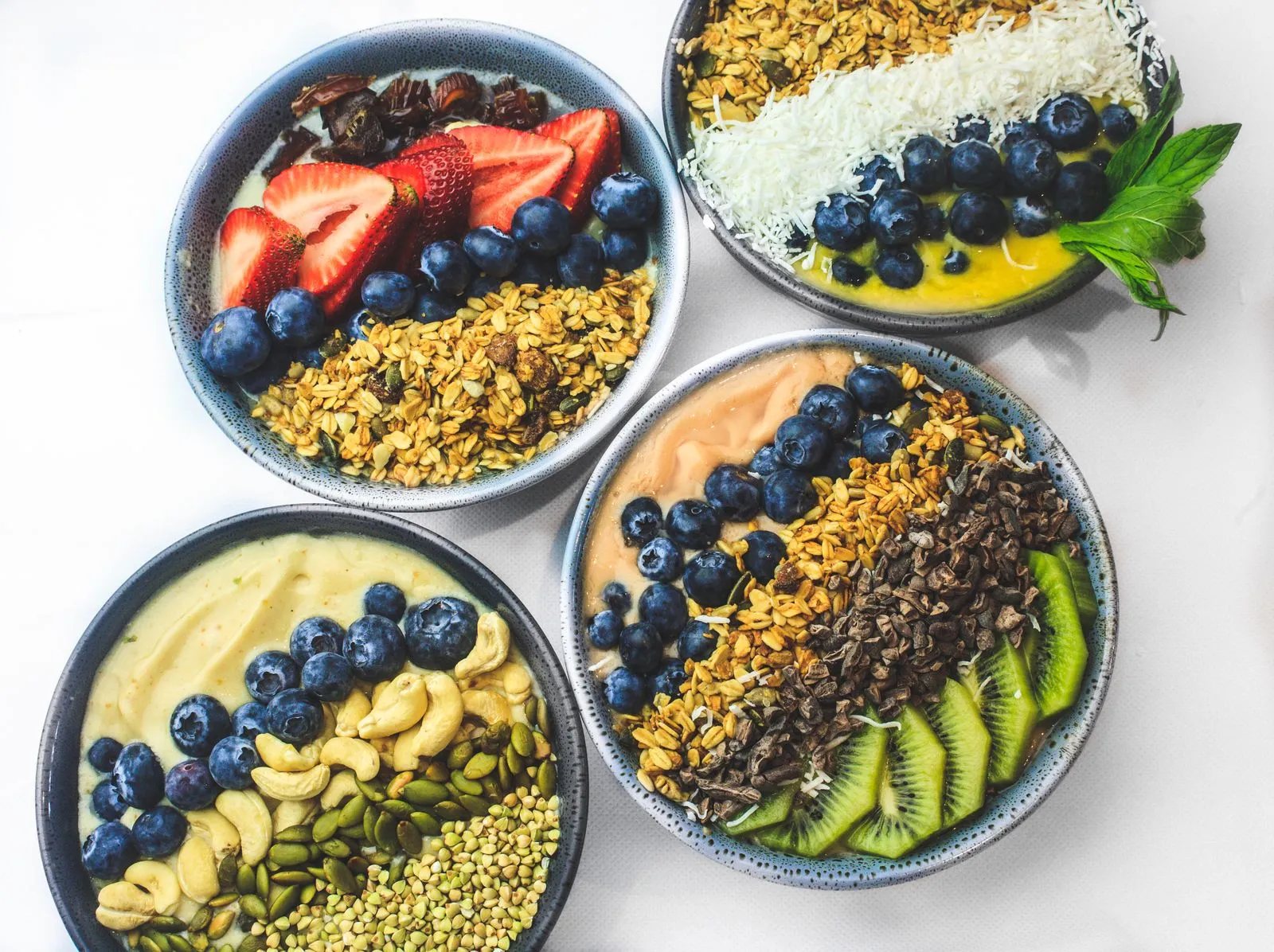
A good plant-based smoothie starts with ingredients you enjoy, not a long list of extras. Fruit brings sweetness and body, greens add a fresh or earthy note, and liquids shape the texture. Seeds, nut butters, and other add-ins can make a blend richer or more filling. Understanding what each ingredient contributes makes it easier to choose a combination that tastes balanced. Start with familiar flavors, then adjust one ingredient at a time.
Choose Fruit for Flavor
Bananas create a creamy texture and a mild sweetness that pairs well with many ingredients. Berries add a brighter, slightly tart flavor, while mango and pineapple bring a more tropical taste. Frozen fruit can chill and thicken a smoothie without needing as much ice. If you prefer less sweetness, use a smaller amount of ripe fruit or balance it with greens and unsweetened liquid.
Think about how strong you want the fruit flavor to be. A berry-forward blend can stand on its own, while a small amount of mango can soften the taste of spinach. Combining several sweet fruits may make a smoothie richer than you expect. Begin with one or two fruits, blend, and taste before adding more.
Pick Greens You Enjoy
Spinach has a mild flavor and works well when you want a green smoothie without a strong leafy taste. Kale is more robust, so it can be a better fit if you enjoy an earthy, noticeable green flavor. Fresh greens blend more smoothly when paired with enough liquid and soft fruit. If you are new to greens, add a small handful first and increase it gradually.
The other ingredients can help balance greens. Banana or mango can mellow their flavor, while citrus can make the blend taste brighter. For a smoother result, blend the greens with liquid before adding fruit and thicker ingredients. This helps break down the leaves and makes it easier to judge the texture.
Adjust the Liquid and Texture
Plant-based milks, such as oat, soy, or almond milk, tend to make smoothies creamy. Water keeps the flavor lighter, while coconut water brings a mild, distinct taste. Choose an unsweetened option when you want more control over sweetness. Add liquid in small amounts as you blend; you can always thin a smoothie, but adding too much at the start can make it watery.
For a thicker blend, use frozen fruit or add a small portion of oats or chia seeds. Nut butter can create a richer, more substantial texture, while ice makes a smoothie colder but may dilute its flavor as it melts. If the result feels too thick, add liquid gradually. If it tastes thin, add more frozen fruit rather than piling on several new ingredients.
Add Extras with a Purpose
Seeds, nut butters, oats, and spices each change a smoothie in a different way. Chia or flax seeds add thickness and a subtle, nutty note. Peanut or almond butter brings a pronounced flavor and creamy body. Cinnamon can complement banana, while cocoa pairs naturally with berries or nut butter. Choose an add-in because you like its taste or texture, not just because it is available.
Keep the first version simple so you can tell what works. A useful starting point is fruit, one green if desired, a liquid, and one extra. Blend and taste before adding sweeteners or more ingredients. If you are choosing a smoothie from a menu, ask which ingredients are naturally sweet, whether the milk is sweetened, and if an ingredient can be left out.
To choose a plant-based smoothie, begin with fruit you like, add greens to your preferred level, and use liquid to set the texture. Include extras selectively, then taste and adjust. A simple blend makes it easier to find the balance you enjoy. If you’d like help choosing a combination, ask Mesa Verde Smoothies about the ingredients in its plant-based options.